

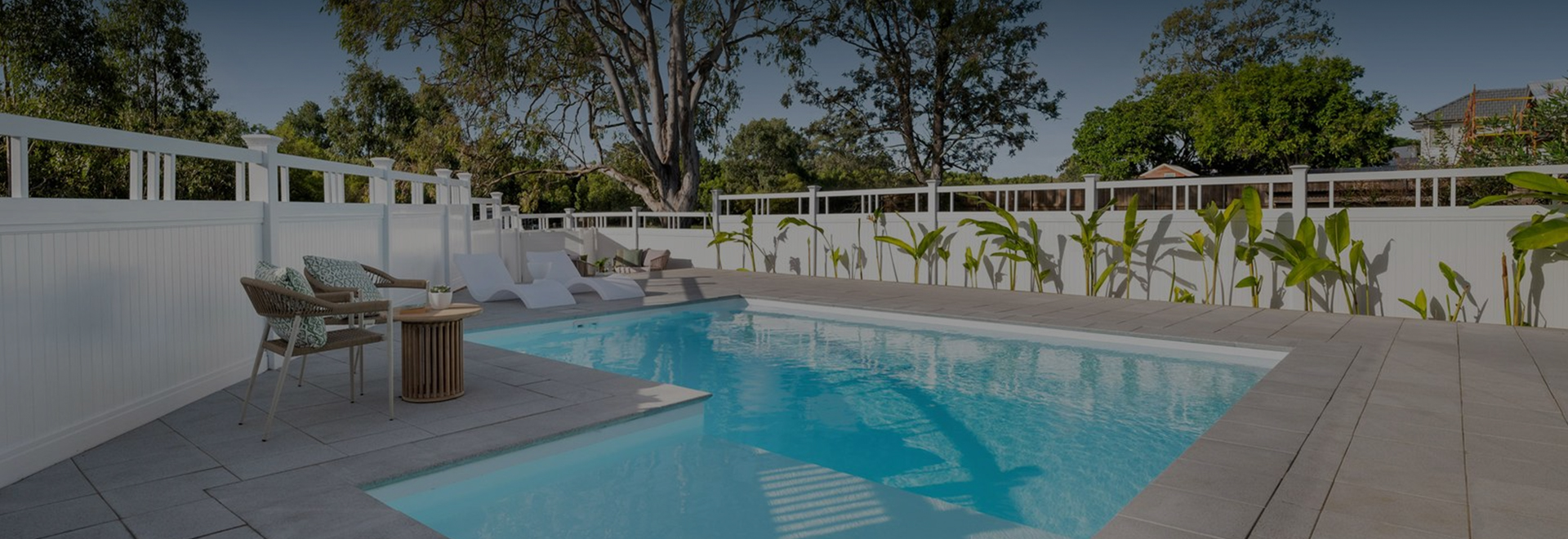
Fences have long served as fundamental tools for humans to delineate spaces, protect property, and express cultural values. Their evolution—from rudimentary barriers crafted from natural materials to sophisticated structures blending functionality and aesthetics—mirrors humanity's enduring quest for security, privacy, and beauty.
1. The Dawn of Fencing: Ancient Primitive Barriers
The earliest known fences date back to prehistoric times when humans began settling in fixed locations. Early communities used readily available materials such as branches, vines, and animal hides to construct rudimentary barriers. These simple enclosures served dual purposes: they kept livestock contained and protected settlements from wild animals. Archaeological evidence suggests that Neolithic villages in regions like Mesopotamia and the Indus Valley employed woven reed fences and earthen embankments to mark territorial boundaries.
In agricultural societies, fences evolved to safeguard crops. Ancient Egyptians, for instance, used palm fronds and mud bricks to create barriers around fields, while the Romans developed stone walls and wooden palisades to protect their estates. These early fences were practical rather than decorative, prioritizing durability and cost-effectiveness.
2. The Medieval Era: Fortifications and Social Hierarchies
The Middle Ages marked a significant shift in fence design, driven by the need for defense and the emergence of feudal systems. Castles and walled cities became symbols of power, with stone walls and iron gates replacing simpler wooden structures. Moats, drawbridges, and arrow slits transformed fences into formidable military fortifications.
In rural areas, hedgerows—living fences composed of thorny shrubs like hawthorn or blackthorn—emerged as a cost-effective alternative to stone. These natural barriers not only defined property lines but also provided windbreaks and habitats for wildlife. The iconic English hedgerows, some dating back over a millennium, remain a testament to this era's ingenuity.
Social hierarchies also influenced fence design. Nobles' estates featured elaborate wrought-iron gates and ornate stone pillars, while peasants relied on humble wooden fences or dry-stone walls. Fences became status symbols, reflecting the owner's wealth and influence.
3. The Industrial Revolution: Mass Production and Material Innovation
The 18th and 19th centuries brought technological advancements that revolutionized fence construction. The invention of the steam engine enabled the mass production of iron and steel, leading to the widespread adoption of metal fences. Wrought-iron railings, with their intricate scrollwork and durability, became popular in urban parks, cemeteries, and affluent homes.
Simultaneously, the rise of sawmills and chemical treatments made wooden fences more accessible and long-lasting. Painted picket fences, a staple of American suburbs, symbolized middle-class prosperity and domestic tranquility. Chain-link fences, patented in the 1840s, offered an affordable solution for industrial sites and public spaces, though their utilitarian appearance sparked debates about aesthetics.
4. The Modern Era: Sustainability, Technology, and Personalization
Today, fences blend tradition with innovation. Environmental concerns have driven the use of sustainable materials such as bamboo, recycled plastic, and reclaimed wood. Living fences—vertical gardens or hedges—combine privacy with ecological benefits, improving air quality and supporting biodiversity.
Technology has also transformed fences into smart systems. Solar-powered lights, motion sensors, and integrated security cameras enhance safety, while remote-controlled gates and apps allow homeowners to manage access from anywhere. 3D printing enables custom designs, from geometric patterns to nature-inspired motifs, catering to individual tastes.
Architectural trends now emphasize harmony with surroundings. Minimalist steel frames with glass panels create a seamless indoor-outdoor flow, while rustic cedar fences evoke a cabin-in-the-woods aesthetic. In densely populated cities, soundproof fences made of noise-absorbing materials mitigate urban pollution.
5. Cultural and Symbolic Significance
Beyond their practical functions, fences carry deep cultural meanings. In many cultures, fences symbolize boundaries between the sacred and the profane, the public and the private. The Great Wall of China, though not a traditional "fence," embodies the ancient Chinese philosophy of harmonizing with nature while defending against threats.
In literature and art, fences often represent barriers to connection or opportunities for unity. Lorraine Hansberry's play A Raisin in the Sun explores racial segregation through the metaphor of a fence, while Robert Frost's poem "Mending Wall" questions the necessity of boundaries between neighbors.
6. The Future of Fencing: Adaptability and Sustainability
As climate change and urbanization reshape our world, fences will continue to evolve. Self-repairing materials, such as shape-memory alloys, could extend fences' lifespans, while modular designs allow for easy reconfiguration in response to changing needs.
The integration of renewable energy—such as solar-paneled fences or kinetic tiles that harvest energy from footsteps—may turn fences into power generators. Additionally, fences could play a role in smart cities, serving as infrastructure for IoT devices or air quality sensors.
Conclusion
From ancient branches to modern smart systems, fences have adapted to humanity's shifting needs and values. They remain more than mere barriers—they are expressions of identity, tools for sustainability, and canvases for creativity. As we face new challenges, the humble fence will undoubtedly continue to evolve, proving that even the simplest structures can embody profound human ingenuity.
This article traces the historical, cultural, and technological journey of fences, highlighting their role in shaping human civilization. Whether protecting crops, defining neighborhoods, or inspiring art, fences remain an enduring symbol of our relationship with space and each other.
 +86 190-5321-9087
 sales@ecofencing.com.cn
 17th Floor, Zhongshang International Building, No. 8 Quanling Rd, Laoshan District, Qingdao city


Copyright © 2025 ECO Fencing. All rights
powered by WDL