

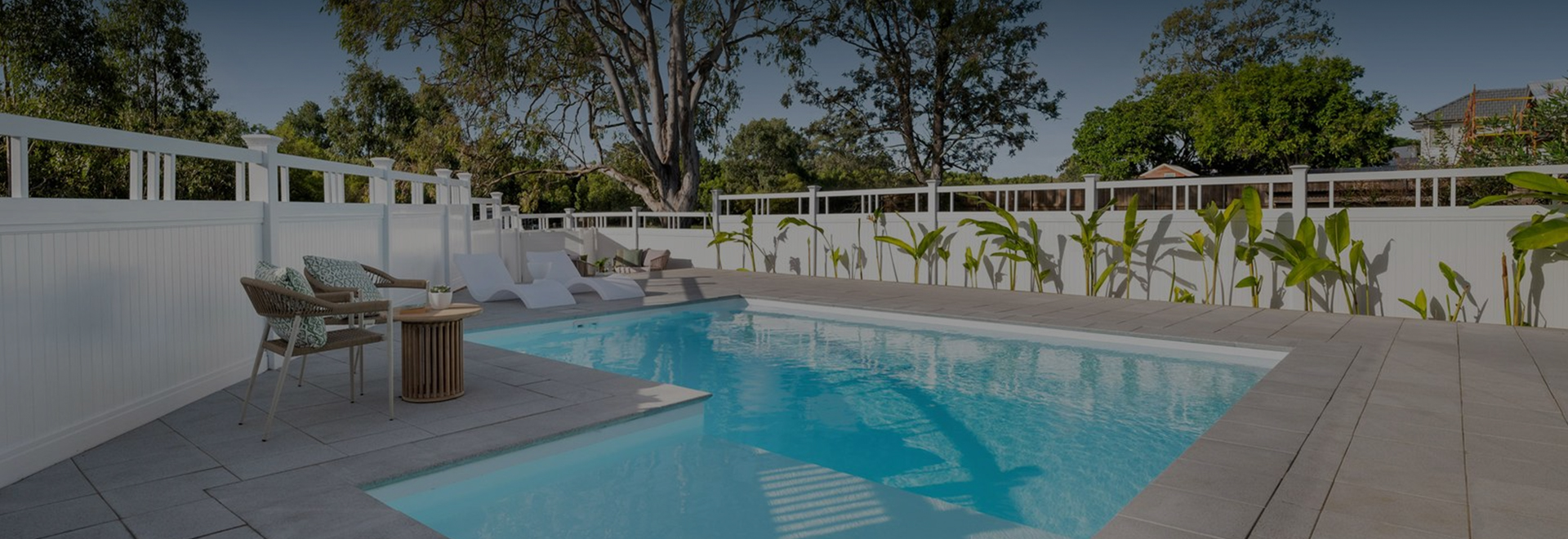
Fences have long served as physical and psychological barriers, offering protection and privacy in both residential and public spaces. Their design—ranging from solid, impenetrable structures to open, light-filtering patterns—directly influences how individuals perceive and interact with their surroundings. When selecting a fence, striking a balance between privacy needs and spatial transparency becomes essential, as each choice carries implications for security, aesthetics, and social dynamics.
Solid Fences: The Ultimate Shield for Privacy
High, solid fences, typically constructed from materials like wood, concrete, or composite boards, are the go-to solution for those seeking maximum seclusion. These barriers create a visual buffer, shielding interiors from prying eyes and noise pollution. For homeowners, a solid fence can transform a backyard into a private oasis, ideal for relaxation, family gatherings, or intimate gardening. The absence of gaps ensures that activities within the enclosed space remain concealed, fostering a sense of safety and autonomy.
Beyond residential use, solid fences are common in commercial zones, industrial parks, and high-security facilities. Their opacity deters trespassing and protects sensitive areas from unauthorized access. However, the downside of such fences lies in their potential to create a fortress-like atmosphere, isolating occupants from the community and natural surroundings. Overly tall or monolithic designs may also spark disputes with neighbors or violate local zoning regulations, highlighting the need for careful consideration of height and aesthetics.
Openwork Fences: Merging Privacy with Light and Air
In contrast to solid fences, openwork designs—such as lattice, wrought iron, or horizontal slats with intentional gaps—offer a more nuanced approach to privacy. These fences allow filtered light, ventilation, and glimpses of the outside world, creating a sense of connection rather than isolation. The interplay of shadows and sunlight through patterned openings adds visual interest, transforming the fence into an architectural feature rather than a mere divider.
For urban dwellers or those with smaller properties, openwork fences provide a practical compromise. They maintain a degree of privacy while preventing the space from feeling claustrophobic. Gardeners often favor these designs, as they permit wind circulation and partial sunlight, benefiting plants that thrive in dappled shade. Additionally, openwork fences encourage social interaction; neighbors can exchange greetings or share gardening tips without feeling entirely enclosed.
However, the trade-off is reduced seclusion. Passersby may still catch fleeting glimpses of the interior, and noise levels remain less insulated compared to solid barriers. Homeowners must weigh their desire for privacy against the benefits of a more open, inviting environment.
Design Considerations: Harmonizing Function and Form
When choosing a fence for privacy, several factors come into play:
Material Selection: Wood offers warmth and natural texture but requires maintenance to prevent rot. Metal provides durability and sleek modernity but may feel cold. Vinyl or composite materials combine low maintenance with versatility.
Height and Placement: Local building codes often dictate maximum fence heights. Taller fences enhance privacy but may block views or sunlight. Strategic placement—such as using shorter fences near walkways and taller ones along property lines—can optimize both privacy and aesthetics.
Aesthetic Integration: The fence’s style should complement the property’s architecture and landscape. A rustic wooden fence suits a cottage garden, while a minimalist metal design complements contemporary homes.
Climate Adaptability: In windy areas, solid fences may act as sails, risking damage. Perforated or slatted designs reduce wind resistance while maintaining privacy.
Long-Term Sustainability: Eco-friendly materials, such as reclaimed wood or recycled metal, align with sustainability goals without compromising privacy.
Cultural and Psychological Dimensions
Privacy preferences vary across cultures and individuals. In densely populated cities, where living spaces are limited, residents may prioritize solid fences to carve out personal sanctuaries. In suburban or rural settings, openwork fences might symbolize a welcoming community spirit. Psychologically, a well-designed fence can alleviate stress by creating a sense of control over one’s environment. It marks the boundary between “public” and “private,” allowing occupants to retreat or engage as they wish.
The Future of Privacy-Focused Fencing
As technology advances, fences are evolving to offer smarter privacy solutions. Solar-powered privacy screens with adjustable opacity, sound-absorbing materials, and integrated security cameras enhance both functionality and discretion. Additionally, modular fence systems allow users to customize levels of openness based on seasonal or situational needs—for example, closing slats during parties or opening them to enjoy a breeze.
Conclusion
Fences are more than structural elements; they are reflections of our values, lifestyles, and relationships with the world. Whether opting for the solid embrace of a high wooden barrier or the airy elegance of a wrought-iron lattice, the choice hinges on balancing privacy with a desire for openness. By thoughtfully considering materials, design, and context, homeowners and designers can create fences that not only protect but also enrich the human experience—turning ordinary boundaries into meaningful thresholds.
 +86 190-5321-9087
 sales@ecofencing.com.cn
 17th Floor, Zhongshang International Building, No. 8 Quanling Rd, Laoshan District, Qingdao city


Copyright © 2025 ECO Fencing. All rights
powered by WDL