

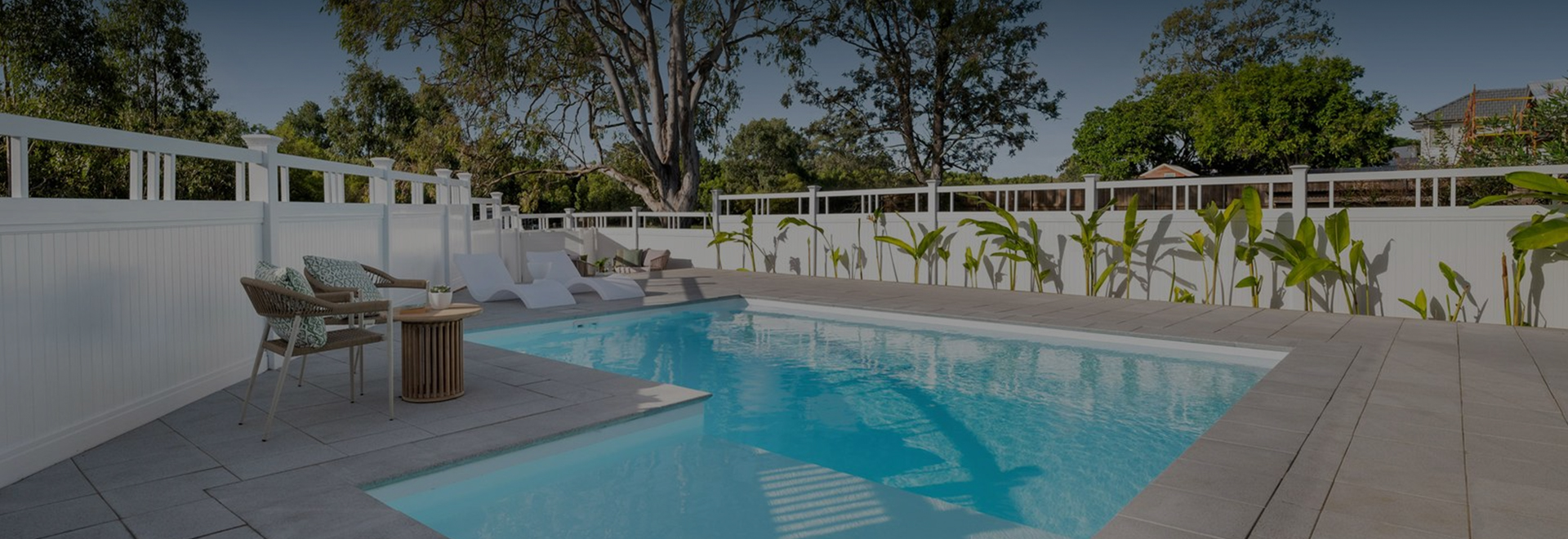
Fences, once seen solely as functional barriers, are increasingly recognized for their potential to contribute to environmental conservation. By incorporating sustainable materials and innovative designs, modern fences are evolving into integral components of green building practices. From reclaimed wood to recycled metals, and even the integration of living ecosystems, these structures now bridge the gap between human needs and ecological stewardship.
Reclaimed Wood: Breathing New Life into Aged Materials
The use of reclaimed wood in fence construction exemplifies the circular economy principle of reducing waste and preserving natural resources. Salvaged from old barns, shipping pallets, or demolished buildings, reclaimed wood carries a unique patina and historical character that new lumber cannot replicate. Its reuse not only diverts timber from landfills but also minimizes the demand for virgin forests, thereby reducing deforestation and carbon emissions associated with logging and processing.
Reclaimed wood fences often require less energy-intensive treatment compared to new wood, as many salvaged materials have already aged and stabilized. Additionally, their rustic appearance aligns with biophilic design trends, fostering a connection to nature in urban and suburban landscapes. Homeowners and developers who opt for reclaimed wood not only make an eco-conscious choice but also add warmth and authenticity to their properties.
Recycled Metals: Durability Meets Sustainability
Metals such as aluminum, steel, and wrought iron are prized for their strength and longevity in fence construction. When sourced from recycled materials, these metals offer a dual benefit: they reduce the environmental impact of mining and smelting while providing a robust, low-maintenance solution. Recycled metal fences resist corrosion, require minimal upkeep, and can last decades, making them a cost-effective and eco-friendly choice.
The production of recycled metal consumes significantly less energy than virgin metal extraction. For example, recycling aluminum saves up to 95% of the energy required to produce new aluminum from bauxite ore. This energy efficiency, coupled with the metal’s infinite recyclability, positions recycled metal fences as a cornerstone of sustainable infrastructure. Their sleek, modern aesthetics also suit contemporary architectural styles, appealing to environmentally aware designers and homeowners alike.
Vertical Greenery: Fences as Living Ecosystems
Beyond material choices, some fence designs go a step further by incorporating vertical gardens or green walls. These living fences integrate plants directly into the structure, creating habitats for pollinators, improving air quality, and mitigating urban heat islands. The plants’ roots absorb rainwater, reducing runoff and erosion, while their foliage filters dust and pollutants from the air.
Vertical greenery also enhances privacy and aesthetic appeal. Trailing vines, flowering shrubs, or aromatic herbs can soften the harsh lines of a fence, transforming it into a dynamic, ever-changing canvas. For urban dwellers with limited ground space, green fences offer a way to cultivate biodiversity and reconnect with nature. Communities may even adopt shared green fence initiatives to promote ecological resilience and social cohesion.
Holistic Design: Balancing Function and Ecology
The environmental benefits of fences extend beyond individual materials or features. A holistic approach to fence design considers the entire lifecycle—from sourcing and construction to maintenance and eventual disposal or repurposing. For instance, modular fence systems allow for easy replacement of damaged components without scrapping the entire structure, extending its lifespan and reducing waste.
Moreover, fences can be designed to serve multiple ecological functions. Sound-absorbing fences made from recycled materials near highways can reduce noise pollution while supporting vegetation. Solar-powered fence lights eliminate the need for grid electricity, and permeable bases allow rainwater to infiltrate the soil, recharging groundwater supplies.
Challenges and Considerations
Despite their advantages, sustainable fences face challenges. Reclaimed wood may require careful inspection for pests or structural integrity, and recycled metals might incur higher upfront costs due to sorting and processing. Vertical greenery demands ongoing maintenance, such as irrigation and pruning, though drought-resistant native plants can mitigate this issue.
Additionally, local regulations or homeowner association rules may limit fence designs or materials. Advocacy for eco-friendly building codes and consumer education about long-term savings (e.g., reduced energy bills from green fences) can help overcome these barriers.
The Future of Eco-Conscious Fencing
As sustainability becomes a global priority, fence innovation will likely accelerate. Emerging technologies, such as 3D-printed fences from recycled plastics or biodegradable composites, could further reduce environmental footprints. Smart fences equipped with sensors to monitor soil moisture or air quality might optimize plant health and energy use.
Ultimately, the evolution of fences reflects broader societal shifts toward harmony with nature. By choosing materials mindfully and integrating ecological principles, fences cease to be mere boundaries and become symbols of a shared commitment to a healthier planet.
Conclusion
Fences, when designed with environmental consciousness, transcend their traditional role as passive barriers. They become active participants in sustainability—conserving resources, supporting biodiversity, and enhancing human well-being. Whether through reclaimed wood, recycled metals, or living green walls, these structures remind us that even the smallest elements of our built environment can contribute to a larger, greener vision. As we move forward, the fence stands as a testament to human ingenuity’s capacity to protect both our properties and the planet.
 +86 190-5321-9087
 sales@ecofencing.com.cn
 17th Floor, Zhongshang International Building, No. 8 Quanling Rd, Laoshan District, Qingdao city


Copyright © 2025 ECO Fencing. All rights
powered by WDL