

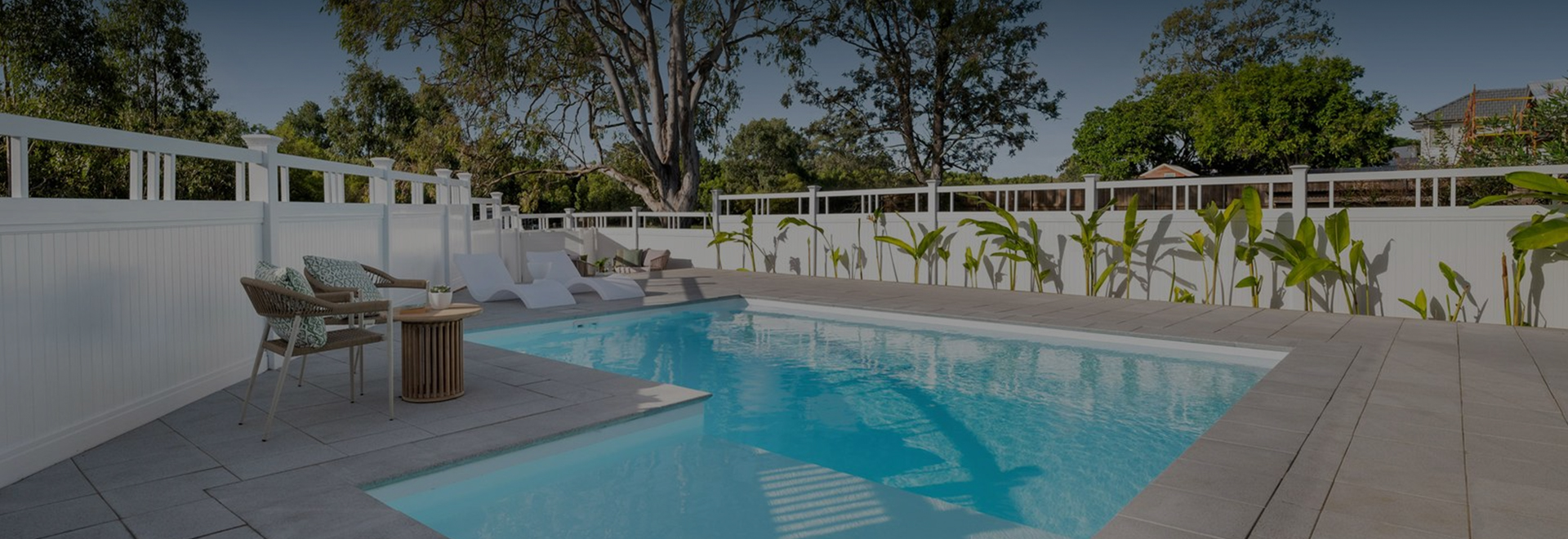
For pet owners, ensuring the safety and security of dogs within outdoor spaces is a top priority. Fences designed specifically for canine safety must address dogs’ natural instincts to explore, jump, climb, and dig, while also maintaining a comfortable and healthy environment. A well-engineered pet fence balances durability, functionality, and pet-friendly features to create a secure enclosure that protects animals without compromising their well-being.
Escape-Proof Design: Countering Jumping and Climbing Instincts
Dogs, especially active or high-energy breeds, may attempt to leap over or scale fences in pursuit of adventure, other animals, or simply curiosity. To prevent escapes, fence height and structural integrity are critical. For most dogs, a fence standing at least 6 feet tall is recommended, though breeds known for their jumping abilities—such as Border Collies, Greyhounds, or certain herding dogs—may require taller barriers.
In addition to height, fence designs should minimize footholds or handholds that dogs could use to climb. Vertical slats placed closely together (with gaps no wider than 2–3 inches) deter dogs from squeezing through or gaining leverage. Smooth surfaces, like vinyl or metal, are less grippable than rough wooden planks, further discouraging climbing. Some owners opt for “anti-climb” extensions, such as overhanging roofs or L-shaped footers at the top of the fence, to physically block attempts to scale the barrier.
Underground Barriers: Preventing Digging Escape Routes
Digging is another common escape tactic for dogs, particularly terriers, hounds, or puppies seeking adventure. To thwart this behavior, underground anti-digging measures are essential. Installing a buried apron—a horizontal panel of sturdy material like chicken wire, hardware cloth, or L-shaped metal flashing—along the base of the fence prevents dogs from tunneling underneath. The apron should extend at least 1–2 feet outward from the fence line and be buried 6–12 inches deep, depending on the dog’s persistence and soil type.
For added security, some fences incorporate a concrete footer or gravel-filled trench along the perimeter. These methods not only deter digging but also stabilize the fence, reducing the risk of tipping or leaning over time. Regular inspection of the fence line for signs of digging attempts allows owners to address vulnerabilities promptly.
Ventilation and Visibility: Prioritizing Pet Comfort
While security is paramount, pet-friendly fences must also prioritize comfort. Adequate ventilation ensures that dogs remain cool and receive fresh air, especially in warm climates. Fences with open slats, mesh panels, or spaced pickets allow airflow while still maintaining privacy and security. Avoid solid barriers like concrete walls or opaque sheets, which can trap heat and create stuffy, uncomfortable conditions.
Visibility is another consideration. Dogs that cannot see their surroundings may become anxious or agitated, leading to excessive barking or attempts to escape. Fences with partial transparency—such as chain-link, wrought iron, or spaced wooden slats—enable dogs to observe their environment, reducing stress. However, if privacy is a concern (e.g., to shield dogs from passersby or other animals), semi-opaque materials like frosted acrylic or bamboo screens can be integrated without completely obstructing views.
Material Selection: Durability Meets Pet Safety
The choice of fence material impacts both security and pet well-being. Popular options include:
Vinyl: Lightweight, low-maintenance, and resistant to chewing or scratching. However, vinyl may become brittle in extreme cold and lacks the strength of metal.
Metal (Chain-Link, Wrought Iron, Aluminum): Durable and long-lasting, metal fences resist digging and climbing. Chain-link is affordable but may not deter determined chewers, while wrought iron offers elegance at a higher cost.
Wood: Natural and aesthetically pleasing, wooden fences provide warmth and insulation. However, they require regular treatment to prevent rot or termite damage and may splinter if chewed.
Composite Materials: Blending wood fibers and recycled plastic, composites offer the look of wood with enhanced durability. They resist moisture, insects, and chewing, making them ideal for pet owners.
Regardless of material, fences should be free of sharp edges, protruding nails, or toxic coatings that could harm pets.
Additional Safety Features
To enhance pet safety further, owners may incorporate:
Self-Closing Gates: Gates that latch automatically prevent accidental escapes when owners enter or exit the yard.
Anti-Chew Sprays or Deterrents: Non-toxic repellents applied to fence posts or bases discourage gnawing.
Shade Structures: Canopies or pergolas provide relief from direct sunlight, reducing the risk of heatstroke.
Secure Locking Mechanisms: Heavy-duty padlocks or combination locks on gates deter theft or unauthorized access.
Training and Enrichment: Complementing Fence Design
No fence is a substitute for proper training and mental stimulation. Dogs that are bored, anxious, or under-exercised are more likely to attempt escapes. Regular walks, playtime, puzzle toys, and obedience training help reduce restlessness. Additionally, teaching dogs commands like “stay” or “leave it” reinforces boundaries and builds trust.
The Future of Pet-Safe Fencing
As pet ownership grows and technology advances, fence innovations will likely focus on smart integration. Solar-powered sensors that alert owners to digging or climbing attempts, GPS-enabled collars that interact with fence boundaries, or self-repairing materials could redefine pet safety. Sustainable, eco-friendly fencing options will also gain traction, aligning with pet owners’ desires for both security and environmental responsibility.
Conclusion
Fences designed for pet safety are more than barriers—they are sanctuaries that protect, comfort, and enrich the lives of canine companions. By addressing dogs’ natural behaviors through thoughtful design, material selection, and supplementary features, owners can create outdoor spaces where pets thrive. Whether through tall, anti-climb structures, underground anti-digging barriers, or breathable, visibility-enhancing materials, these fences embody the care and consideration every pet deserves. As we continue to prioritize our furry friends’ well-being, the humble fence stands as a testament to human ingenuity in nurturing safe, happy lives for our beloved animals.
 +86 190-5321-9087
 sales@ecofencing.com.cn
 17th Floor, Zhongshang International Building, No. 8 Quanling Rd, Laoshan District, Qingdao city


Copyright © 2025 ECO Fencing. All rights
powered by WDL