

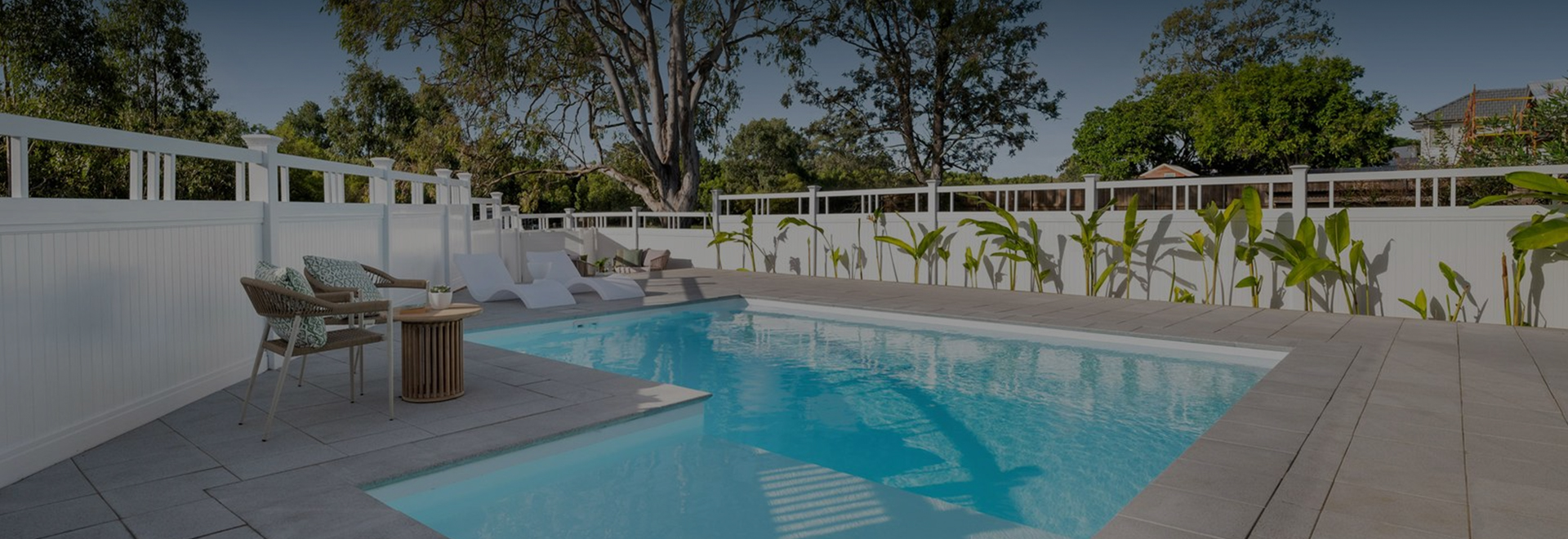
Fences, traditionally viewed as functional boundaries, are being reimagined by DIY enthusiasts as platforms for creativity, sustainability, and family bonding. From repurposed wood projects that evoke rustic charm to welded metal sculptures that double as art installations, homemade fences offer a unique opportunity to personalize outdoor spaces while reducing waste. These projects not only reflect individual style but also champion eco-conscious living, turning discarded materials into statement pieces that blend practicality with artistic flair.
Reclaimed Wood Fences: Crafting Vintage Charm with Upcycled Timber
Old wooden pallets, discarded fence planks, or salvaged barn boards are ideal materials for DIYers seeking a vintage aesthetic. By cleaning, sanding, and treating weathered wood, homeowners can breathe new life into materials destined for landfills. A reclaimed wood fence might feature staggered planks for a rustic, cottage-core vibe, or geometric patterns for a modern twist. Some creators even incorporate carvings, burn marks, or painted motifs to tell a story—whether honoring family heritage or celebrating local wildlife.
The beauty of reclaimed wood lies in its imperfections. Knots, cracks, and varying grain patterns add character, while mismatched colors create visual interest. To enhance durability, DIYers often seal the wood with non-toxic stains or oils, preserving its natural texture while protecting against rot and pests. For added functionality, built-in planters, hanging hooks, or chalkboard panels can turn the fence into a multifunctional garden feature.
Welded Metal Art Fences: Merging Industry and Imagination
Scrap metal—from bicycle frames, car parts, or discarded tools—becomes the raw material for bold, industrial-style fences when wielded by creative hands. Welding skills transform junk into geometric grids, abstract sculptures, or whimsical figures (e.g., animals, flowers, or abstract shapes). A welded metal fence might serve as a trellis for climbing vines, its open framework allowing light and air to filter through while creating a dynamic interplay of shadows.
Artistic metal fences often spark conversation. A fence shaped like a musical staff with dangling wind chimes, or one adorned with cut-out silhouettes of local birds, blurs the line between utility and public art. For safety, edges are ground smooth, and sharp corners are rounded. Rust-resistant coatings, such as powder-coating or marine-grade paint, ensure longevity even in harsh weather.
Eco-Conscious Crafting: Reducing Waste, One Fence at a Time
The environmental impact of DIY fences cannot be overstated. By repurposing materials that would otherwise contribute to pollution or landfill overflow, DIYers embody the principles of a circular economy. A single reclaimed wood fence might save dozens of trees, while a metal art fence could divert hundreds of pounds of scrap from junkyards. These projects also reduce the carbon footprint associated with manufacturing and transporting new materials.
Beyond waste reduction, DIY fences often incorporate sustainable practices. Solar-powered lights embedded in fence posts, rainwater collection systems integrated into planters, or living fences with embedded herbs or succulents showcase a commitment to eco-friendly living. Even the construction process itself can be green—using hand tools instead of power-hungry machinery, or sourcing local materials to minimize transportation emissions.
Family Collaboration: Building Memories Alongside Fences
DIY fence projects are more than just weekend hobbies; they’re opportunities for family bonding. Parents and children, grandparents and grandkids, or roommates can work together to design, measure, cut, and assemble. Tasks can be divided by age and skill level: younger kids might paint planks or arrange decorative stones, while teens and adults handle sawing or welding. The process teaches valuable skills—from basic carpentry to problem-solving—while fostering teamwork and communication.
Completed fences become cherished landmarks, embodying shared effort and creativity. A fence adorned with handprints, family initials, or a timeline of construction photos tells a story of collaboration and growth. Over time, these structures evolve into backyard traditions—places to hang holiday lights, grow vegetables, or simply enjoy a sunset together.
Challenges and Tips for Success
While DIY fences offer immense rewards, they also present challenges. Reclaimed wood may contain nails or splinters, requiring careful inspection and removal. Metalworking demands safety gear (goggles, gloves, welding masks) and access to tools like angle grinders or MIG welders. Beginners might start with simpler designs—a pallet fence with minimal cutting, or a metal trellis using pre-cut tubing—before tackling more ambitious projects.
Key tips for DIY success include:
Plan Thoroughly: Sketch designs, measure spaces, and create a materials list to avoid mid-project surprises.
Prioritize Safety: Wear protective gear, secure workspaces, and follow tool instructions meticulously.
Test and Adjust: Build a small section first to assess stability, aesthetics, and functionality before committing to the entire fence.
Embrace Imperfection: Handmade fences are meant to look unique—uneven edges or quirky details add charm, not flaws.
Inspiring Examples: From Backyards to Public Art
Around the world, DIY fences are pushing boundaries. In Detroit, a community transformed a vacant lot into a “Guitar Fence” using recycled guitar necks and strings, creating a musical installation that doubles as a noise barrier. In Australia, a family built a “Bottle Fence” by embedding thousands of colored glass bottles into concrete posts, casting prismatic light patterns across their yard. In Japan, a bamboo fence woven with discarded kimono fabric celebrates textile heritage while offering privacy.
These projects prove that fences need not be generic—they can be canvases for self-expression, catalysts for sustainability, and catalysts for connection.
Conclusion
DIY fence creations are more than just DIY projects; they are declarations of independence from mass-produced uniformity. By repurposing waste, embracing creativity, and fostering collaboration, these fences redefine what it means to “build a boundary.” They become symbols of resilience, resourcefulness, and the joy of making something with one’s own hands. Whether rustic or avant-garde, functional or fantastical, homemade fences remind us that even the simplest structures can carry profound meaning—for our planet, our families, and ourselves. As we continue to reimagine the role of fences in our lives, the DIY spirit stands as a beacon of innovation, one plank, screw, and welded joint at a time.
 +86 190-5321-9087
 sales@ecofencing.com.cn
 17th Floor, Zhongshang International Building, No. 8 Quanling Rd, Laoshan District, Qingdao city


Copyright © 2025 ECO Fencing. All rights
powered by WDL