

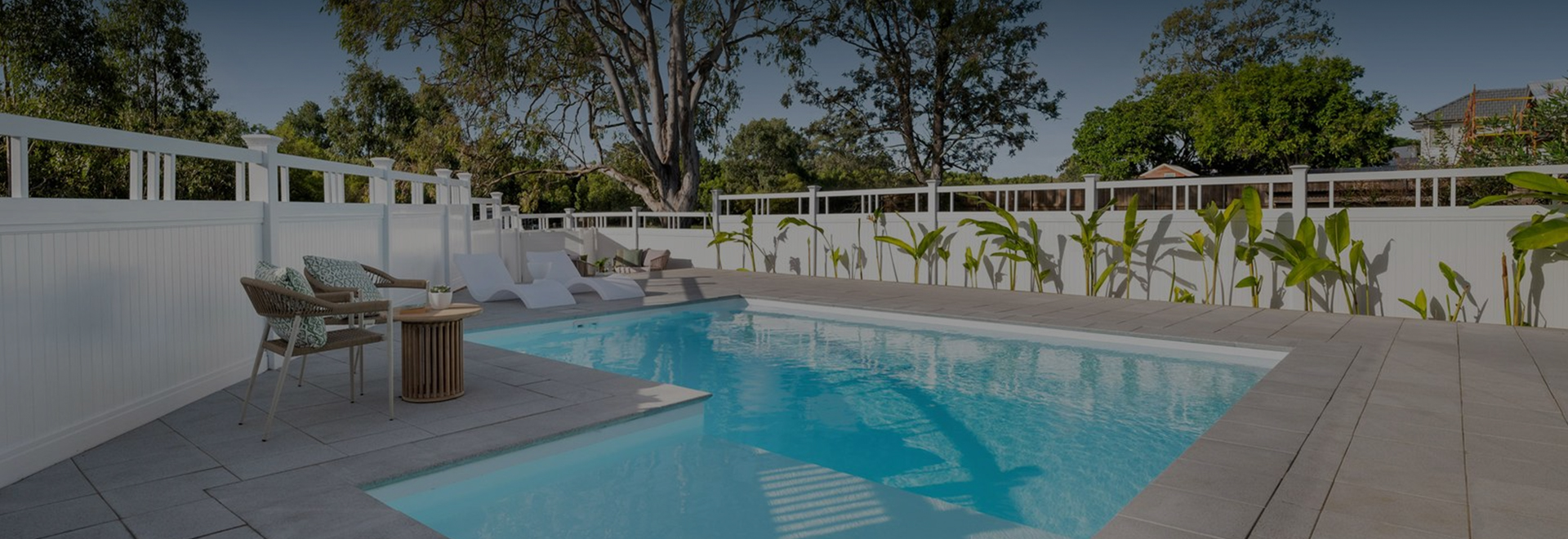
Fences have long served as physical markers of property lines, delineating public spaces from private domains. When thoughtfully designed, they provide security, privacy, and aesthetic coherence to neighborhoods. However, the rise of overly fortified barriers—tall walls, opaque panels, or impenetrable hedges—has sparked debates about their impact on community cohesion. While fences are essential for defining ownership and ensuring safety, excessive enclosure risks fostering isolation, eroding the sense of shared space that defines vibrant communities. In response, some neighborhoods are embracing semi-open fence designs as a compromise, promoting visibility, interaction, and a healthier balance between individual needs and collective well-being.
The Role of Fences in Defining Space
Fences fulfill practical functions that underpin societal order. They protect homes from trespassers, safeguard children and pets, and shield gardens or outdoor living areas from unwanted intrusion. In urban and suburban settings, fences also contribute to visual harmony by standardizing property lines and preventing encroachments. For example, a uniform picket fence along a suburban street creates a cohesive aesthetic, enhancing property values and curb appeal.
Yet, fences are not merely utilitarian; they carry cultural and symbolic weight. In many cultures, a well-maintained fence signals pride in one’s home, while a dilapidated one might suggest neglect. Fences can also reflect personal style—rustic wooden planks for a farmhouse vibe, sleek metal panels for modern minimalism, or vibrant murals for artistic expression.
The Pitfalls of Over-Enclosure: When Fences Become Barriers
Despite their benefits, fences can inadvertently create social rifts. Tall, solid fences that block sightlines and sound can make neighbors feel disconnected, transforming streets into isolated corridors. Psychological studies suggest that environments with limited visual access to public spaces may reduce feelings of trust and belonging. When residents cannot see or interact with one another, casual encounters—a wave, a smile, or a shared laugh—become rare, weakening the social fabric.
Overly defensive fencing can also escalate conflicts. Disputes over fence height, placement, or aesthetics sometimes strain relationships, leading to legal battles or resentment. In extreme cases, fences have been used to assert dominance or exclude others, exacerbating tensions in diverse communities.
Semi-Open Fences: A Middle Ground for Community Engagement
To counter these issues, architects, urban planners, and community advocates are promoting semi-open fence designs—structures that blend privacy with permeability. These fences use materials or layouts that allow limited visibility, sound, or movement between properties, encouraging interaction without sacrificing security. Examples include:
Lattice or Perforated Panels: Fences with decorative cutouts, slats, or mesh allow light and air to pass through while obscuring direct views. Residents can glimpse movement or greenery beyond the fence, fostering curiosity and connection.
Low Hedges with Gaps: Planted barriers like boxwood or lavender, combined with intentional openings, create soft boundaries that invite conversation. Passersby might pause to admire flowers or chat with a gardener, bridging the gap between private and public life.
Shared Green Spaces: Some neighborhoods replace fences entirely with communal gardens or seating areas, turning property lines into collaborative zones. These spaces encourage residents to work together, share resources, and build relationships.
Transparent or Translucent Materials: Glass blocks, frosted acrylic, or polycarbonate panels provide privacy while allowing diffused light to illuminate adjacent properties. At night, warm glows from indoor lighting can create a welcoming ambiance.
Case Studies: Fences That Foster Community
Across the globe, innovative fence designs are reshaping neighborhoods. In Portland, Oregon, a street transformed its chain-link fences into “living walls” by training vines and flowers to climb the metal grid. The result? A vibrant, green corridor that attracted pollinators, reduced noise, and sparked conversations among neighbors.
In Copenhagen, Denmark, a housing cooperative replaced solid fences with low wooden benches and planted perennials. The design encouraged residents to sit, read, or socialize along the property line, turning what was once a barrier into a social hub.
In Tokyo, where space is limited, architects designed fences with sliding panels that could be opened during festivals or closed for privacy. This adaptability reflected the city’s ethos of harmonizing tradition with modernity.
Balancing Act: Privacy, Safety, and Social Connection
Designing fences that serve both individuals and communities requires careful consideration. Key factors include:
Height and Opacity: Fences should be tall enough to ensure privacy (typically 4–6 feet for residential areas) but incorporate elements like lattice or windows to maintain visual connection.
Material Choice: Natural materials like wood or stone blend seamlessly into landscapes, while metal or glass can add a contemporary touch. Opt for sustainable, locally sourced options to reduce environmental impact.
Maintenance: Low-maintenance designs, such as powder-coated metal or drought-resistant plants, ensure fences remain attractive without excessive upkeep.
Community Input: Involving residents in fence design fosters ownership and ensures the final product meets collective needs. Surveys, workshops, or collaborative brainstorming sessions can identify shared priorities.
The Future of Fencing: Reimagining Boundaries
As cities grow denser and social isolation becomes a concern, fences will increasingly be seen not just as barriers but as connectors. Smart fences embedded with sensors could alert neighbors to emergencies or share environmental data (e.g., air quality). Modular designs might allow fences to be reconfigured for community events, turning property lines into temporary gathering spaces.
Ultimately, the best fences are those that respect individual needs while nurturing a sense of belonging. They remind us that boundaries are not walls—they are bridges to a more connected, inclusive world.
Conclusion
Fences are more than lines in the sand; they are reflections of how we live together. By embracing semi-open designs, communities can reclaim the public realm, one thoughtful boundary at a time. Whether through lattice panels, shared gardens, or transparent materials, these fences become symbols of trust, collaboration, and the shared humanity that binds us. As we navigate the delicate balance between privacy and community, let us remember that even the simplest structures can shape the way we interact—and in doing so, redefine what it means to be neighbors.
 +86 190-5321-9087
 sales@ecofencing.com.cn
 17th Floor, Zhongshang International Building, No. 8 Quanling Rd, Laoshan District, Qingdao city


Copyright © 2025 ECO Fencing. All rights
powered by WDL